

How the Right Uniform Improves Comfort, Performance & Brand Identity
Uniforms are more than dress codes — they influence comfort, confidence, and team performance. Choosing the right fabrics, fit structure, and production quality can significantly impact how teams function in real working environments.

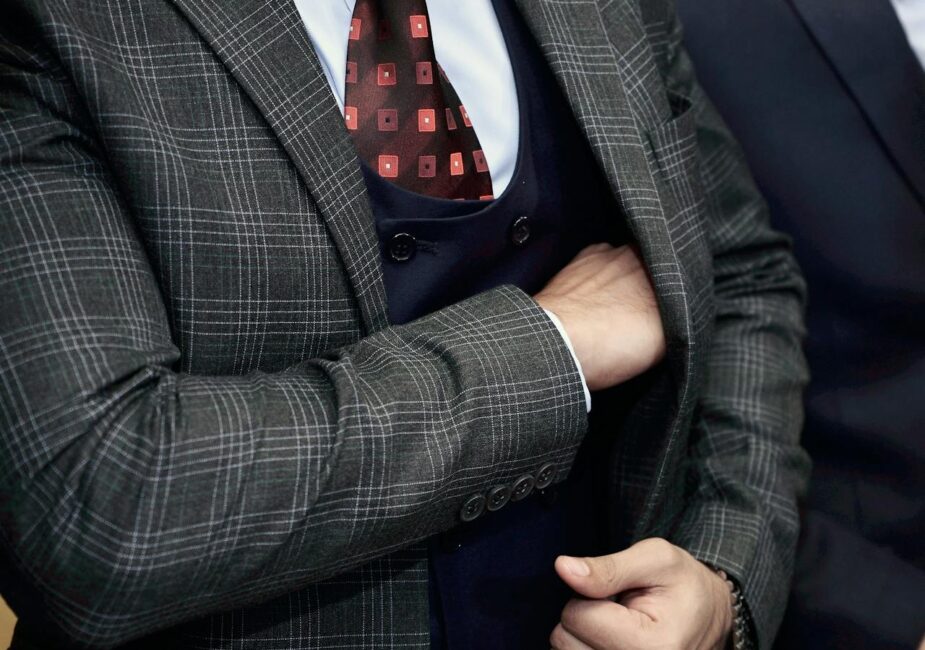
Uniform programs often fail not because of design but because of incorrect fabric selection, poor fit consistency, and lack of durability planning. Organisations across industries — from education to healthcare — require uniforms that balance appearance with long-term functionality.
A well-structured uniform solution improves not only daily comfort but also operational efficiency and team presentation.
In high-activity environments such as manufacturing units, hospitals, hospitality operations, or corporate offices, employees wear uniforms for extended hours. This makes breathability, movement flexibility, and fabric resilience essential factors.
Modern uniform design is no longer limited to basic stitching — it involves climate-based fabric selection, ergonomic pattern structuring, and production processes that ensure repeatable sizing accuracy.

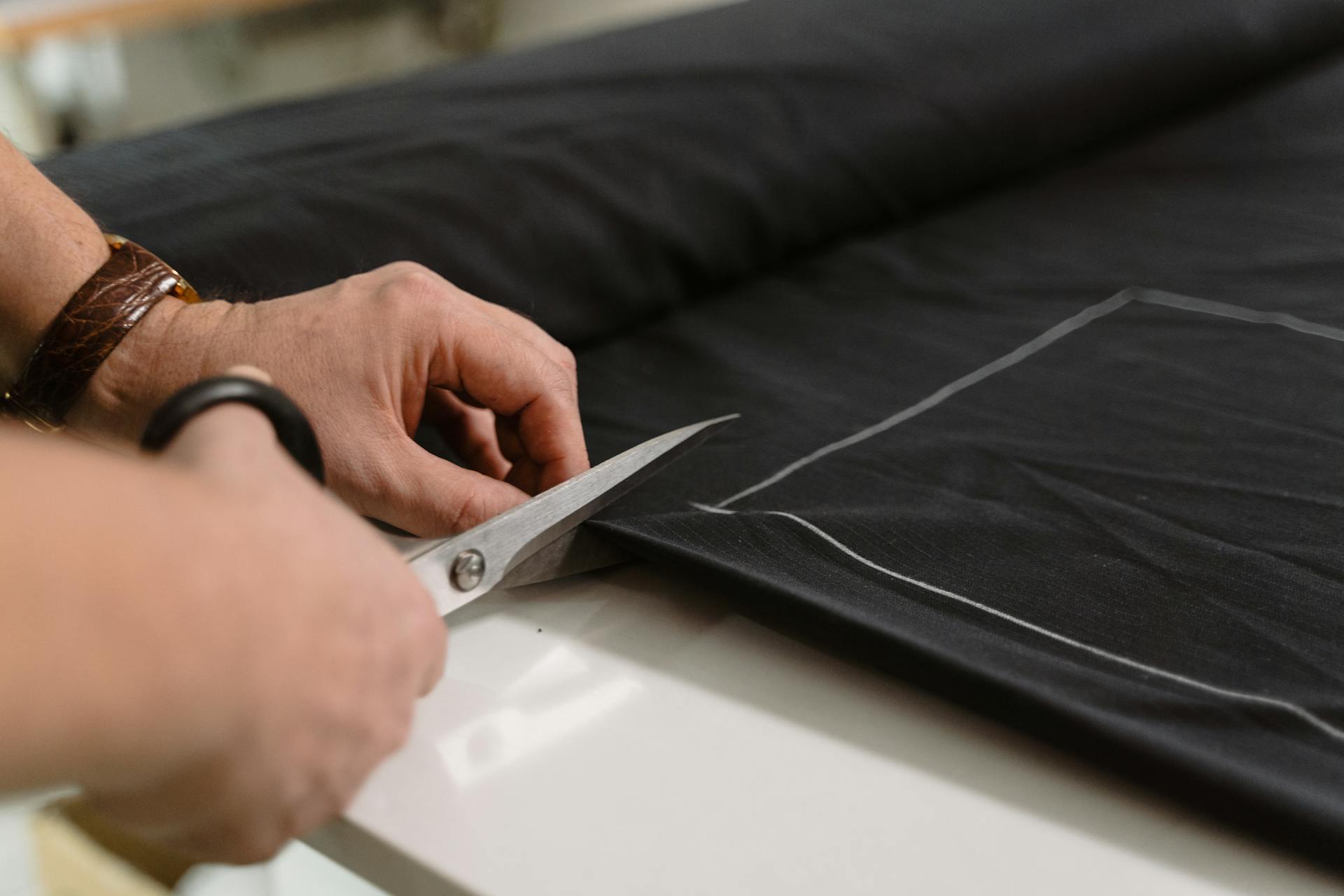
Why Fabric Choice Matters
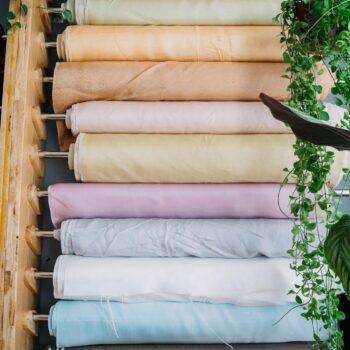
Cotton and polycotton blends are widely used for comfort and easy maintenance, while performance fabrics support durability and structure retention. Anti-microbial textiles are increasingly preferred in healthcare settings, helping maintain hygiene standards without compromising comfort.
Fit Consistency in Bulk Production
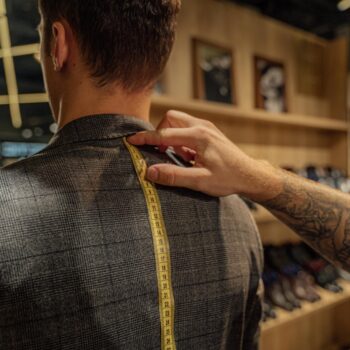
Uniform programs require scalable sizing systems. Without standardised measurement grading, organisations often face inconsistent fits across teams. Structured production planning ensures uniform appearance and reduces repeat alterations or replacement costs.
Uniforms also play a strong psychological role. When employees feel comfortable and well-presented, it directly influences workplace confidence and customer perception. For corporates, branded uniforms strengthen identity. For institutions, they build discipline and belonging.
“Uniforms that feel right help teams perform right.”
Durability depends on stitching strength, seam structure, fabric GSM, and finishing quality. Organisations that invest in better production standards benefit from reduced replacement cycles and consistent brand presentation.
Conclusion
At ZEN T, uniform development is approached as a structured process — from requirement understanding and fabric consultation to sampling, production, and quality checks. This ensures apparel that performs reliably in real-world environments while supporting organisational scale and growth.
Bulk Production Comfortable Uniforms Corporate Uniforms Durable Garments Fabric Selection Healthcare Apparel Industrial Workwear Made in Bharat Team Branding Uniform Design
Last modified: March 26, 2026


Later this shield staggered up on tripod legs and became the first of the fighting-machines I had seen. The gun he drove had been unlimbered near Horsell, in order to command the sand pits, and its arrival it was that had precipitated the action.