
How Durable Uniforms Reduce Long-Term Operational Costs
Uniform planning is often viewed as a short-term procurement task. However, when organisations invest in durable fabrics, structured production, and consistent sizing, uniforms become a long-term operational advantage.

In industries where uniforms are worn daily, garment durability directly impacts cost efficiency. Frequent replacements due to fabric wear, seam damage, or poor fit lead to increased expenses and operational interruptions.
Well-designed uniforms are engineered to withstand repeated washing, extended wear hours, and demanding movement conditions. This ensures teams can focus on performance rather than garment limitations.
Durability is not an extra feature — it is a uniform necessity.
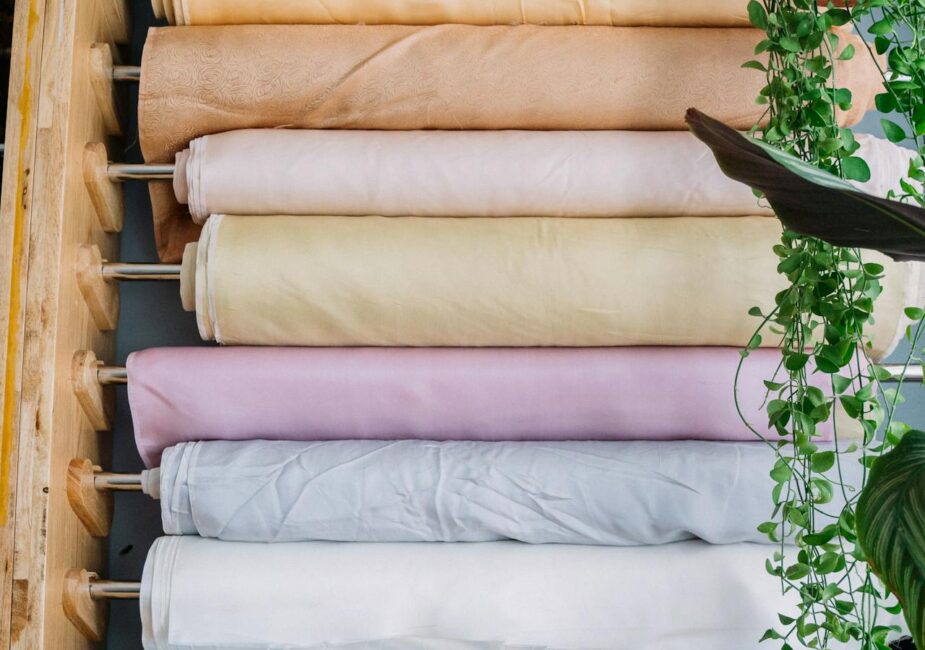
Fabric selection plays a crucial role in uniform lifespan. Polyviscose blends offer structure retention for corporate environments, while drill and twill fabrics provide strength for industrial workwear. In healthcare settings, anti-microbial textiles add hygiene value while maintaining comfort.
Choosing the right textile based on usage environment ensures better long-term performance.

Another critical factor is fit consistency. When uniforms are produced with standardised grading systems, organisations avoid frequent alterations and replacement orders. Proper sizing frameworks help maintain uniform visual identity across teams.
Employees also experience better comfort and confidence when garments fit correctly.
Uniform planning is often viewed as a short-term procurement task. However, when organisations invest in durable fabrics, structured production, and consistent sizing, uniforms become a long-term operational advantage.
Quality Stitching Improves Garment Strength
Reinforced seams, proper thread selection, and structured finishing techniques significantly increase garment durability. Uniform manufacturing is not just about cutting and stitching — it requires process discipline and quality inspection at every stage.
Long-Term Value Through Structured Production
Organisations that adopt planned uniform programs benefit from predictable costs and improved garment lifecycle. Bulk production planning, scheduled rollouts, and quality monitoring ensure uniforms perform reliably throughout their usage period.
Conclusion
At ZEN T, uniform development focuses on real working conditions. From understanding operational requirements to selecting durable fabrics and ensuring scalable production standards, each uniform is designed to deliver lasting value.
Reliable uniforms support reliable teams.
Bulk Production Corporate Apparel Cost Efficiency Durable Uniforms Fabric Strength Industrial Workwear Made in Bharat Quality Stitching Team Uniform Planning Workwear Durability
Last modified: March 26, 2026