
Why Well-Designed Uniforms Improve Workplace Efficiency
Uniforms are not just about visual consistency — they directly influence employee comfort, operational movement, and overall workplace efficiency. Thoughtful uniform design helps teams perform better across industries.

In fast-moving work environments, employees require apparel that supports long hours, varied physical activity, and changing climate conditions. Poorly designed uniforms can cause discomfort, reduce productivity, and increase garment replacement costs.
Organisations today are recognising the importance of structured uniform programs that focus on fit accuracy, breathable fabrics, and long-term durability.
“Efficiency begins with comfort.”
Uniforms that allow free movement and temperature balance help employees stay focused on their responsibilities rather than adjusting their garments throughout the day.
Different industries have unique uniform requirements. Healthcare professionals require hygiene-friendly fabrics and ease of movement. Industrial teams need reinforced stitching and durable textiles. Corporate staff benefit from apparel that maintains a professional appearance even after repeated use.
Designing uniforms with these functional considerations ensures both performance and brand consistency.
Structured Production Reduces Operational Issues
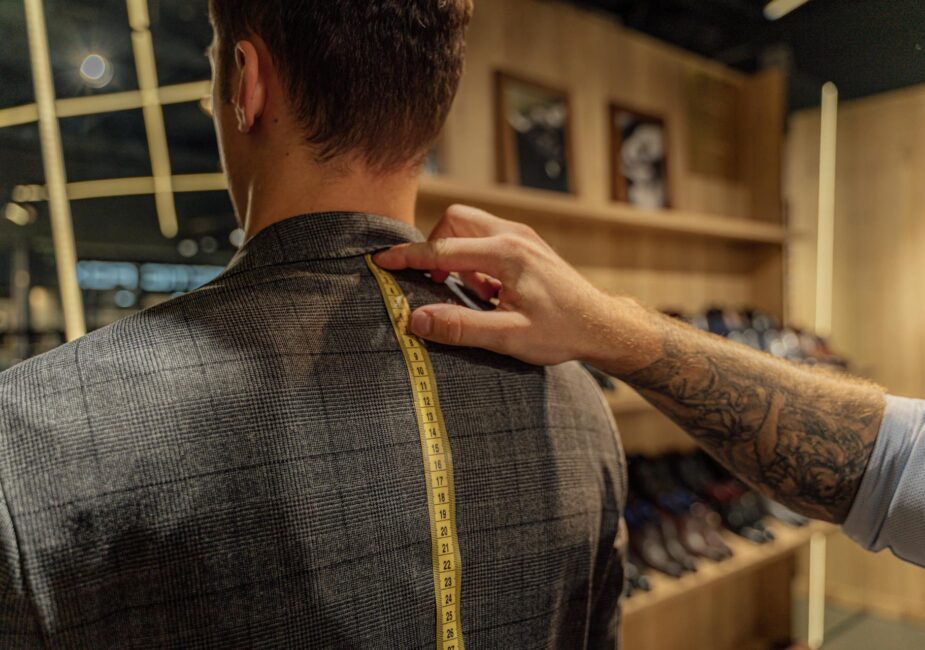
Bulk uniform manufacturing requires precise sizing systems and consistent quality checks. Without proper production planning, organisations often face mismatched sizes, uneven fabric performance, and frequent alteration requirements.

A structured process — from requirement understanding to final delivery — reduces these challenges significantly.
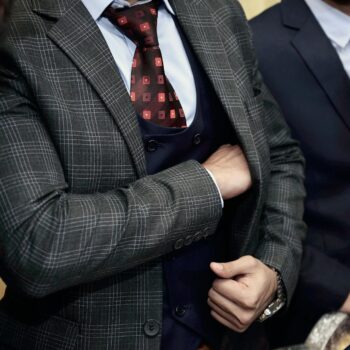
Uniforms also influence team identity and organisational culture. When employees feel well-presented and comfortable, it builds confidence and improves interaction with customers, students, patients, or guests.
Consistent uniforms contribute to a sense of belonging and professionalism across departments.
Durability Planning Saves Long-Term Cost
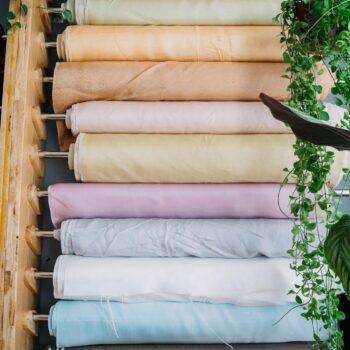
Selecting the right fabric blends, seam strength, and finishing quality increases garment lifespan. Organisations that invest in better uniform construction experience reduced replacement frequency and improved value over time.
It matters a good deal to me
Conclusion
At ZEN T, uniform development focuses on real usage conditions. From selecting suitable materials to ensuring repeatable fit standards and scalable production, each garment is designed to support teams in their daily responsibilities.
Uniforms that perform reliably help organisations function more efficiently.
Bulk Manufacturing Comfortable Uniforms Corporate Apparel Fabric Durability Healthcare Uniforms Industrial Workwear Performance Apparel Team Identity Uniform Efficiency Uniform Planning
Last modified: March 26, 2026